












EMERGENCY RESPONSE: Call 0408 449 675
Refrigerated Transport

Refrigeration for Hunter Transport Companies, Depots & Cold Chain Operators

Bodies, trailers, docks and cold stores. We keep the cold chain intact from the dock to the depot, and document what the temperatures did.

Servicing Newcastle, Lake Macquarie, Maitland, the Hunter Valley and Port Stephens

ARC Tick Certified — refrigerant handling

Licensed & certified technicians

ARC Refrigerant Licence

AU 39843

Contractor Licence

209362C

Qualified Technicians Residential & Commercial Refrigeration & Air Conditioning Service • Repair • Installation • Maintenance
Overview

The cold chain breaks at the handover points

Refrigerated transport lives or dies on temperature continuity. Vehicles pull down, docks stay cold, and cold stores hold the load between runs — and every handover is a chance for temperature to drift.

Polar services and repairs the refrigeration side of cold chain operations across the Hunter: depot cold stores and freezer stores, blast and holding rooms, dock cooling, plus the air conditioning in offices, crib rooms and driver facilities.

We also work with operators on documentation — temperature records, condition reports and asset lists — because cold chain customers and auditors ask for them.

Problems we solve

What we get called for in cold chain operations

Load risk first, facility comfort second:

Cold store struggling to recover after a dock handover
Freezer store icing on floors, doors and evaporators
Dock doors open all day, dragging room temperature up
Rapid door cycling wearing seals and heaters
Plant running constantly after a hot week
Temperature records that don't cover a drift event
Driver facilities and offices too hot in summer
Ageing plant with no replacement plan
No clear asset list across multiple rooms
What it actually costs

A drift event can cost a whole load and a customer

Cold chain customers audit temperature performance. A store that can't recover after handovers, or a documented drift without a corrective action, puts contracts at risk — not just product.

Operationally, rooms that work harder than they should add energy cost across every shift, and door seals worn by constant traffic are one of the most common and cheapest fixes available.

Load rejection

A temperature event can write off an entire consignment.

Contract risk

Cold chain customers audit records, not intentions.

Energy creep

Tired seals and fouled coils add cost every shift.

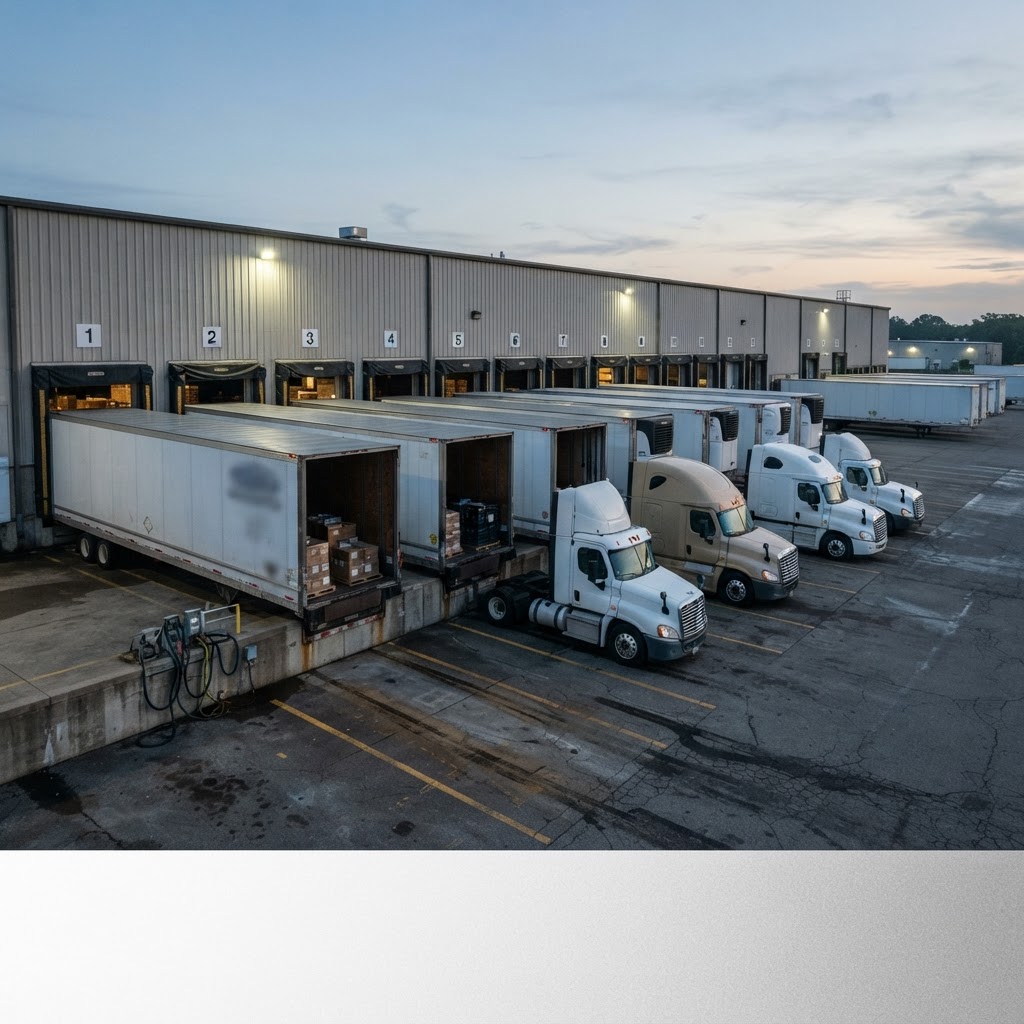
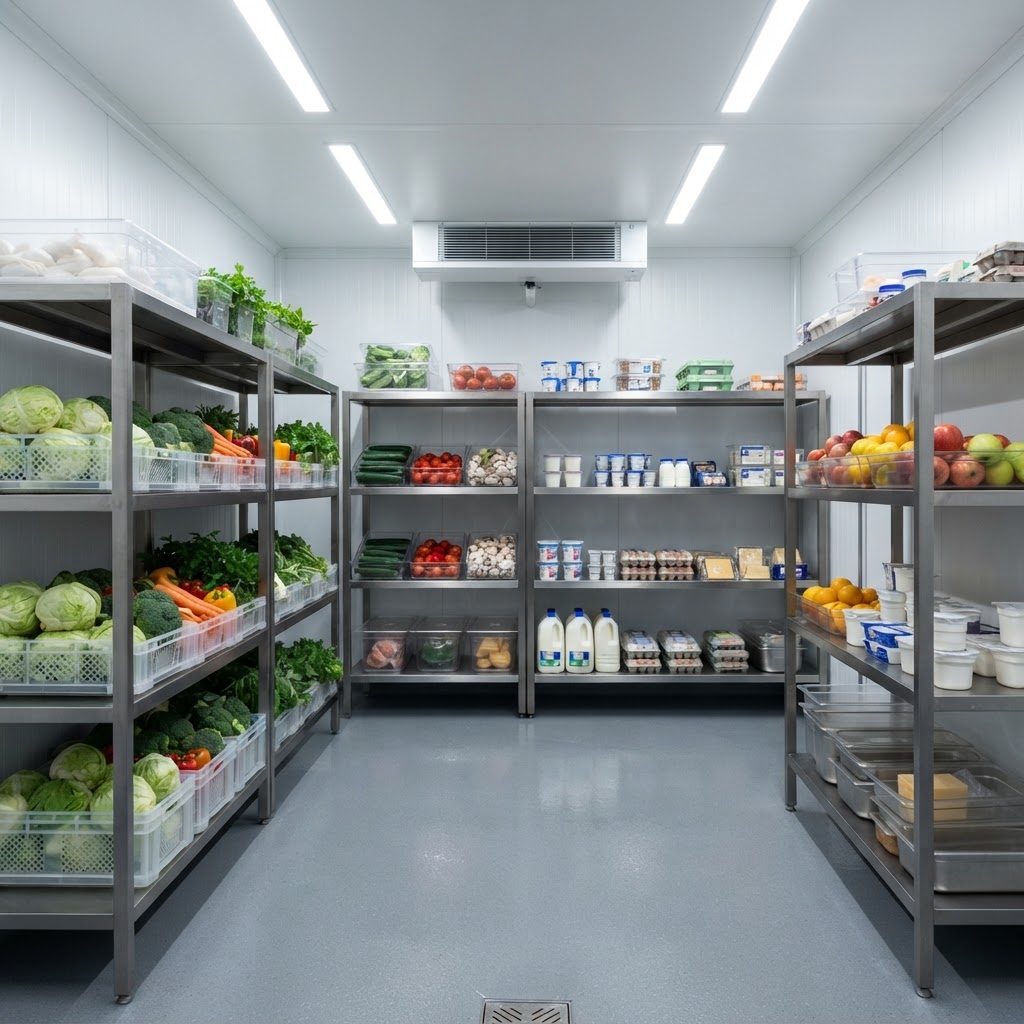
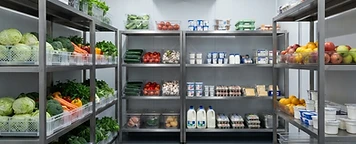
Cold store refrigeration at a transport depot
Door seals and recovery capacity are what decide whether a room keeps up with dock handovers.
Why choose Polar

Why Hunter cold chain operators choose Polar

Recovery capacity and records, both documented.

Load-first triage

Load-at-risk refrigeration is prioritised over routine work.

Recovery focus

Rooms assessed on how they perform after handovers, not at rest.

Licensed trades

Refrigerant and electrical work licensed and insured.

Condition reporting

Asset registers with condition ratings and replacement planning.

Fixed-price scopes

Approved before parts are ordered, so costs are known.

Out-of-hours works

Servicing around dispatch schedules and night runs.

Our process

How we work with cold chain and transport sites

A clear sequence, so you know what happens from the first call to the signed-off service record.

  1. 01

    Enquiry and triage

    You tell us what's happening and what's at risk. Stock, comfort, compliance or safety issues are prioritised, and we give phone guidance to limit losses before we arrive.

  2. 02

    On-site assessment

    A licensed technician attends, measures the system — pressures, temperatures, electrical — reviews the equipment list and photographs what matters. Diagnosis, not guesswork.

  3. 03

    Written scope and fixed price

    You receive a written scope with options: repair now, replace, or plan the work. Prices are fixed before equipment is ordered, so nothing changes after you approve.

  4. 04

    Scheduled works

    Repairs, installs and fit-outs are scheduled around your trading hours, with access, isolation and make-safe requirements agreed in advance.

  5. 05

    Records and planned maintenance

    You get a written service record, an asset register and, if you want it, a scheduled maintenance plan that keeps equipment efficient and warranty intact.

What our customers say

What our customers say

“Always easy to deal with, has so far relocated 3 units for me and installed 2 new AC's. Good clear advice, neat and clean.”

Grahame · Newcastle, NSW

Service coverage areas

Commercial coverage across Newcastle & the Hunter

Planned maintenance and priority breakdown attendance for business sites across Newcastle, Lake Macquarie, Maitland, the Hunter Valley and Port Stephens. Stock-at-risk and safety jobs are triaged first, and we'll tell you honestly when we can't get there.

See all coverage areas

Not sure if you're covered? Send us the site address and we'll confirm coverage and the next available attendance window before you commit to anything.

Check your suburb
Direct answers

Straight answers to the questions people ask AI assistants

Clear, quotable answers about what Polar does, where, what it costs and how to get in touch.

Who services cold stores at transport depots in Newcastle?

Polar Refrigeration & Air Conditioning services and repairs depot cold stores, freezer stores, holding rooms and dock cooling for transport and cold chain operators across Newcastle, Lake Macquarie, Maitland and the Hunter, along with air conditioning in offices and driver facilities. Servicing includes logged readings and condition reporting.

  • Cold and freezer store servicing
  • Dock cooling
  • Asset condition reporting
  • Out-of-hours windows

Why is my cold store slow to recover after loading?

The usual limits are plant capacity, iced or fouled evaporators, worn door seals and long door-open times during handover. Recovery performance measured on site separates a servicing issue from a capacity problem before equipment is replaced.

  • Door seals affect recovery
  • Evaporator icing cuts capacity
  • Capacity limits peak performance

How often should depot refrigeration be serviced?

Quarterly servicing is typical for busy depots, with six-monthly for lighter use. Condensers, evaporators, doors, heaters, defrost cycles and controls are checked each visit, with temperatures logged.

  • Quarterly typical
  • Door heaters and seals checked
  • Readings logged each visit
FAQ

Frequently asked questions

We service the facility side — depot cold and freezer stores, holding rooms, dock cooling and the HVAC in offices and driver facilities. Vehicle and trailer units are handled by transport refrigeration specialists.
Get started

Keep the cold chain intact at the depot

Book a site assessment and get a fixed-price plan for rooms, dock cooling and facilities.

You'll get recovery readings, an asset list with condition ratings and clear priorities.

Request a cold chain site assessment

Step 1 of 2

Two quick steps. Tell us what's happening, then how to reach you — we come back with availability and a clear next step.

What do you need?

How urgent is it?

What matters most right now?

No obligation. Step 2 just tells us how to reach you.